
Pradhan Mantri Samajik Sahayata Yojana: NSAP Pension Rules
Pradhan Mantri Samajik Sahayata Yojana is NSAP's new name. Disability pension now from 40% disability at ₹375 a month. Amounts, eligibility, how to apply.
The National Social Assistance Programme (NSAP) is now called Pradhan Mantri Samajik Sahayata Yojana. The Union Cabinet approved the new name on 14 October 2026, with ₹53,428 crore set aside for five years (2026-27 to 2030-31).
The biggest change is in the disability pension. It now covers people with 40% disability (earlier 80%), from birth, at ₹375 a month. Old age and widow pension amounts haven’t changed.
If you or a family member already get one of these pensions, you don’t need to do anything right now. If someone at home has a disability between 40% and 79%, they may become eligible for the first time. Read the disability section below.
| Detail | Information |
|---|---|
| New name | Pradhan Mantri Samajik Sahayata Yojana |
| Old name | National Social Assistance Programme (NSAP) |
| Run by | Department of Rural Development, Ministry of Rural Development, with states/UTs |
| Approved on | 14 October 2026 (Union Cabinet) |
| Budget | ₹53,428 crore for 2026-27 to 2030-31 |
| Beneficiaries | About 3.20 crore, in all 36 states/UTs |
| Who can get it | Poor (BPL) elderly people, widows, persons with disabilities, families who lose their main earner |
| Biggest change | Disability pension from 40% disability, from birth, ₹375/month (₹625 at 80+) |
| When the change starts | Guidelines due within 3 months of 14 Oct 2026 |
| Official portal | nsap.dord.gov.in |
Old names vs new names
Every pension under the programme has a new name. If a form or office still uses the old one, it’s the same scheme.
| Old name | New name |
|---|---|
| National Social Assistance Programme (NSAP) | Pradhan Mantri Samajik Sahayata Yojana |
| Indira Gandhi National Old Age Pension Scheme (IGNOAPS) | Pradhan Mantri Vridhavastha Pension Yojana |
| Indira Gandhi National Widow Pension Scheme (IGNWPS) | Pradhan Mantri Vidhawa Pension Yojana |
| Indira Gandhi National Disability Pension Scheme (IGNDPS) | Pradhan Mantri Divyangjan Pension Yojana |
| National Family Benefit Scheme (NFBS) | Pradhan Mantri Parivar Labh Yojana |
Pradhan Mantri Samajik Sahayata Yojana pension amounts
These are the central government’s share per month. Your state adds its own money on top.
| Scheme | Who | Central amount |
|---|---|---|
| Vridhavastha (old age) Pension | BPL, age 60–79 | ₹200 a month |
| Vridhavastha (old age) Pension | BPL, age 80+ | ₹500 a month |
| Vidhawa (widow) Pension | BPL widow, age 40–79 | ₹300 a month |
| Vidhawa (widow) Pension | BPL widow, age 80+ | ₹500 a month |
| Divyangjan (disability) Pension | BPL, 40%+ disability, age 0–79 | ₹375 a month (new) |
| Divyangjan (disability) Pension | BPL, 40%+ disability, age 80+ | ₹625 a month (new) |
| Parivar Labh (family benefit) | BPL family whose main earner (age 18–59) dies | ₹20,000 one time |
Yes, ₹200 looks very small. The reason most pensioners get more is the state top-up. According to PIB’s NSAP factsheet (2025), states add anywhere from ₹50 to ₹5,700 a month, and the average pension in many states is around ₹1,100. So what reaches your account depends mostly on your state.
What changed in the disability pension
This is the part that matters. Here’s the old rule next to the new one, from the Cabinet’s release.
| Rule | Before | Now |
|---|---|---|
| Minimum disability | 80% (severe or multiple) | 40% |
| Minimum age | 18 years | From birth |
| Amount, age up to 79 | ₹300 a month | ₹375 a month |
| Amount, age 80+ | ₹500 a month | ₹625 a month |
Why the change? The Rights of Persons with Disabilities Act, 2016 treats 40% as “benchmark disability”. It also says disability support should be 25% higher than similar schemes for others. ₹375 is exactly 25% more than the ₹300 widow pension.
Important: this doesn’t start the day after the announcement. The Cabinet said guidelines on the new eligibility, beneficiary numbers and rates will be issued and implemented within three months. Until your state receives them, the local office may still go by the old 80% rule. Don’t let an agent tell you otherwise for a fee.
What you can do now: get a valid disability certificate (a UDID card is best) showing the percentage. That’s the one document you’ll certainly need.
 Photo: Chongkian / Wikimedia, CC BY-SA 4.0
Who is eligible (and who isn’t)
The basic rule on the NSAP portal: the person must belong to a Below Poverty Line (BPL) family as per the government’s criteria. On top of that:
- Old age pension: 60 years or older.
- Widow pension: widow aged 40 or older.
- Disability pension: 40% or more disability, any age (once the new guidelines are in force).
- Family benefit: the family’s main earner died between the ages of 18 and 59.
Who it’s not for:
- Families that aren’t in the state’s BPL list. This is the most common reason applications are rejected.
- People who meet the age rule but not the income rule. A 65-year-old with a well-off family won’t qualify.
- Anyone expecting the pension to start automatically. You have to apply, and each state has a cap on how many people it can cover. A new name hasn’t removed that cap.
How to apply
There’s no single national online form. The scheme is run by your state government, usually the Social Welfare Department (in some states Rural Development, Revenue or Women & Child Development).
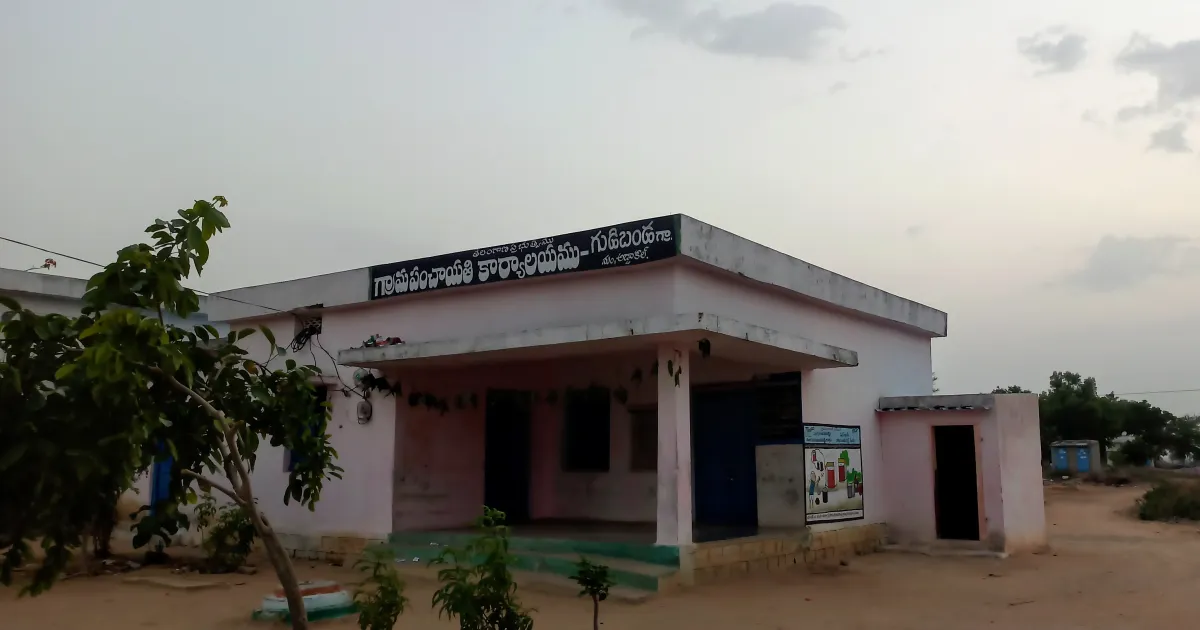
- Go to your Gram Panchayat office (villages) or municipality / ward office (towns and cities). They identify beneficiaries under this scheme.
- Ask for the pension form: old age, widow, disability or family benefit. Many states also take applications through their own pension portal or a Meeseva / CSC-type centre.
- Attach the documents the form asks for. Usually these are: Aadhaar, ration card or BPL proof, age proof, bank or post office account details, a photo, and as needed the husband’s death certificate (widow pension), disability certificate (disability pension) or the earner’s death certificate (family benefit).
- Take an acknowledgement slip with an application number. You’ll need it to track the application.
- After verification and sanction, the pension is paid by DBT into your bank or post office account.
The exact document list changes from state to state, so go by the form your office gives you.
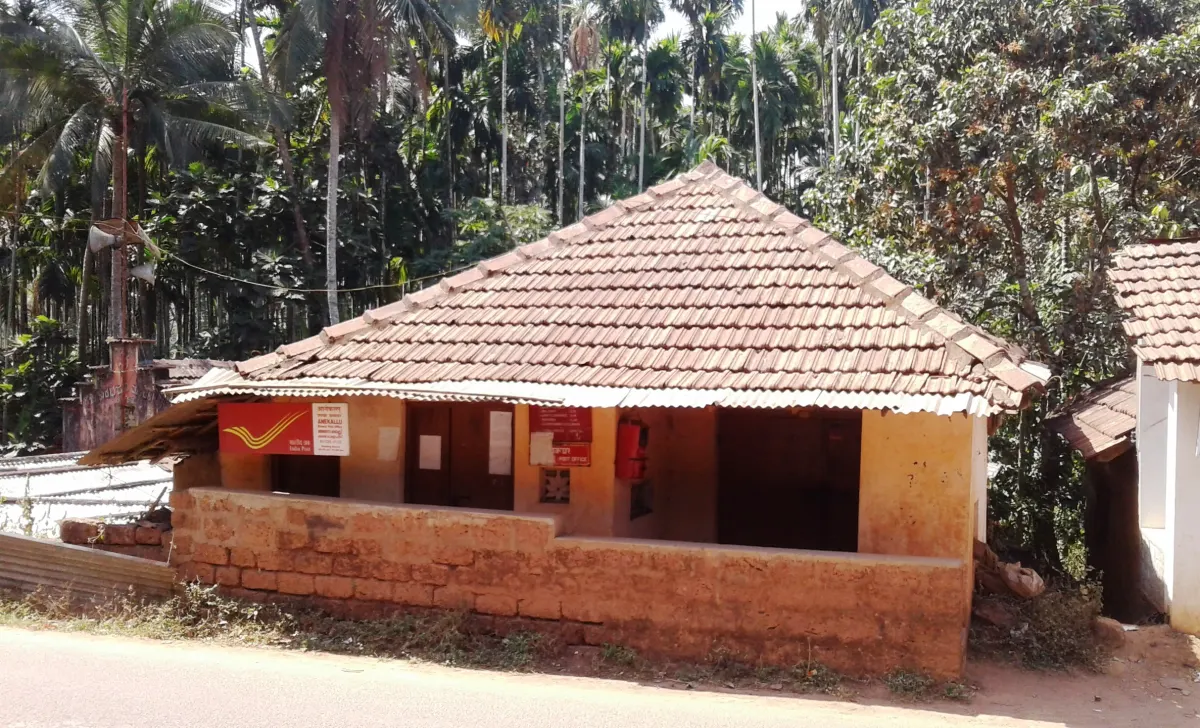 Many pensioners in villages get their money in a post office savings account. Photo: Prof tpms / Wikimedia, CC BY-SA 4.0
How to check your pension status
The central portal still uses the NSAP name.
- Open nsap.dord.gov.in.
- Click Reports in the menu.
- Under “Beneficiary Search, Track and payment details”, pick Beneficiary Search (to find your name), Application Tracker (for a new application) or Pension Payment Details (to see credits).
- Choose your state, district and area, and search.
Many states show the same information, and the state top-up, on their own pension website. If the central portal shows nothing, check there or ask at the panchayat office.
Common problems and fixes
- Pension stopped suddenly: usually Aadhaar isn’t linked to your bank account, or the yearly life certificate wasn’t done. The Rural Development Ministry launched an Aadhaar face-based Digital Life Certificate app for NSAP pensioners in July 2025, so ask your office if your state uses it.
- Name not found in Beneficiary Search: search using fewer details (only district and block), or check the spelling in your bank passbook.
- Application pending for months: your state may have reached its cap. Ask the office for your waiting position in writing.
- Bank account closed or dormant: reactivate it, then give the new details to the pension office. Payments won’t reach an inactive account.
If your ration card details are wrong, fix that first, because it’s often your BPL proof. Our guide on ration card e-KYC explains the steps.
Never pay an agent
Applying for these pensions is free. If someone asks for money to “get your name added” or to “fast-track” a disability pension under the new 40% rule, walk away. Also be careful with WhatsApp messages or videos claiming the old age pension amount has gone up, or that a “new registration link” has opened under the new name. As of 24 October 2026, the Cabinet release says neither. Check PIB or ask at your panchayat office.
My take
For most pensioners this news changes nothing except the name, and that’s fine. The real win is for families with a disabled child or adult whose disability is below 80%. Until now they were simply shut out of this pension.
My advice: if that’s your family, don’t wait for the guidelines to come out. Get the disability certificate (UDID) done now and keep your Aadhaar, ration card and bank account in order. When your state opens applications under the new rule, you’ll be among the first to apply.
I’ll update this page when the guidelines come out.
Frequently asked questions
What is Pradhan Mantri Samajik Sahayata Yojana?
It is the new name of the National Social Assistance Programme (NSAP), approved by the Union Cabinet on 14 October 2026. It gives monthly pensions to poor (BPL) elderly people, widows and persons with disabilities, and a one-time payment to families who lose their main earner.
Has the old age pension amount increased under the new scheme?
No. The Cabinet said the old age and widow pensions continue in their existing form. The central share stays ₹200 a month for ages 60–79 and ₹500 from 80. Your state may add its own top-up on top of this.
What is the new disability pension amount?
₹375 a month for ages 0–79 and ₹625 a month for 80 and above. Earlier it was ₹300 and ₹500. The minimum disability is now 40% instead of 80%, and there's no minimum age.
When will the 40% disability rule start?
The Cabinet said guidelines will be issued and implemented within three months of the 14 October 2026 approval. Until your state gets those guidelines, offices may still follow the old 80% rule.
Do existing NSAP pensioners need to apply again after the name change?
No re-application has been announced. The change is mainly a new name, and old age and widow pensions continue as before. Keep your Aadhaar and bank account linked so payments don't stop.
How can I check my NSAP pension status?
Go to nsap.dord.gov.in, open Reports, and use Beneficiary Search, Application Tracker or Pension Payment Details. Many states also show pension status on their own social welfare portal.
Related posts
More in Govt Schemes »PM Kisan 24th Installment Date 2026: Is 20 Oct Confirmed?
PM Kisan 24th installment date 2026 isn't announced yet. Why 20 October is only a rumour, when ₹2,000 may come, and how to fix e-KYC and status problems.
Ration Card e-KYC Last Date: Karnataka 10 Nov, Telangana
Ration card e-KYC last date is now 10 November 2026 in Karnataka, end of October in Telangana. How to do it at the ration shop or on your phone, check status.
Deepam 2: Get Your 2nd Free Gas Cylinder Before 30 November
Deepam 2 free gas cylinder: AP families can claim the 2nd free cylinder of 2026-27 till 30 November. Who's eligible, how to book, what to do if no money comes.